




Traffic Fatalities Are Not Just Numbers…
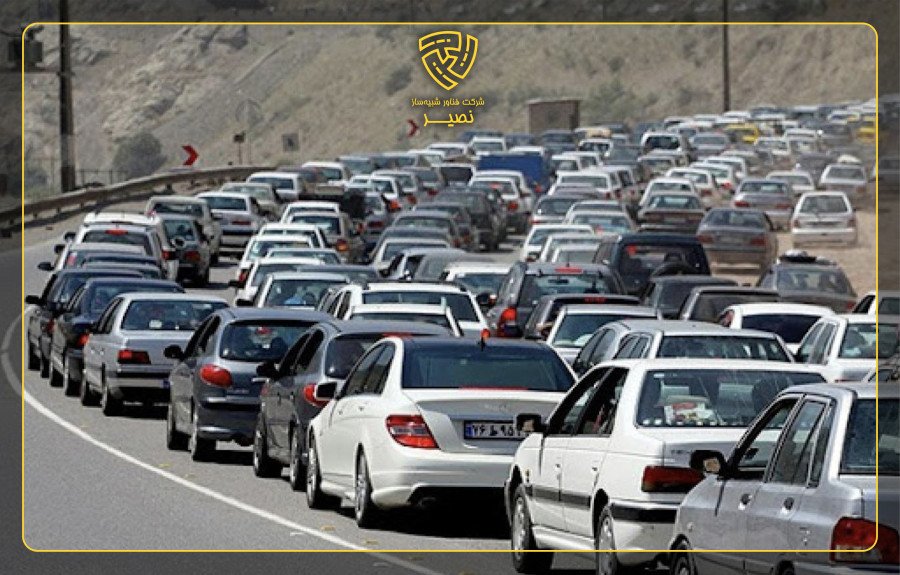





Traffic Fatalities Are Not Just Numbers…
Unfortunately, the number of deaths caused by road traffic accidents remains alarming and deeply distressing. What we see at first glance is only a small part of a bitter reality—one that every day leaves countless families in mourning and permanently alters innumerable lives.
According to official statistics, the distribution of locations where traffic accident victims lose their lives in the country is as follows:
At the scene of the accident: Approximately 52% of victims lose their lives at the moment the crash occurs.
During transfer to medical centers: Nearly 6% die while being transported.
In hospitals: About 42% pass away after being transferred to hospitals and during the treatment process; these deaths are officially recorded up to 45 days after the accident.
According to the report by the Head of the Traffic Police of FARAJA, during the Nowruz Traffic Plan of 1404, which was implemented over 21 days:
More than one million traffic accidents were recorded nationwide.
During this period, 880 people lost their lives in traffic accidents—most of whom died at the scene. Considering that 52% of fatalities occur at the accident site, it is expected that the final death toll will be significantly higher.
However, these statistics do not end with fatalities. The physical injuries caused by traffic accidents are also extensive and devastating. Based on last year’s data, around 3,000 people in the country suffered spinal cord injuries due to road accidents.
In other words, in just the past 21 days, unfortunately about 170 more people have been added to the list of individuals with spinal cord injuries.
And this is apart from the thousands of others who, due to amputations, permanent disabilities, or severe injuries, have lost their quality of life forever.
🔸 It is hoped that through the formulation and implementation of a comprehensive, integrated, and multi-dimensional program—focused on prevention, education, and rapid response at both provincial and national levels—we will witness a significant reduction in these losses. Because each one of these numbers represents a human life, a family, and a lost future.