




What is Fleet Management System?
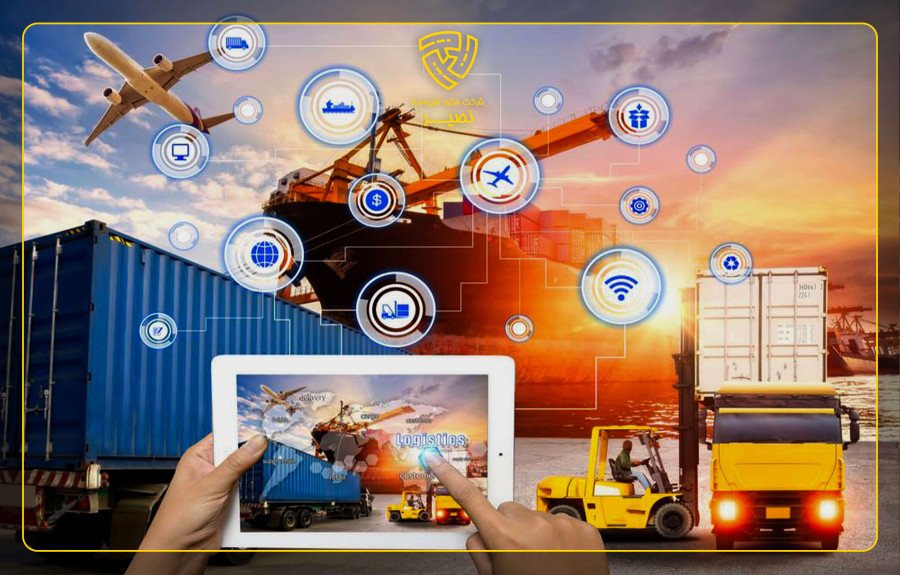





What Is a Fleet Management System (FMS)?
A Fleet Management System (FMS) is a comprehensive set of technologies, software solutions, and processes designed to facilitate the efficient management, monitoring, and optimization of vehicle fleets. It is commonly used by organizations that rely on fleets for purposes such as transportation, logistics, delivery, and service operations.
Below is an overview of what a fleet management system is, its benefits, and its common applications.
Key Components of Fleet Management Systems
Telematics Devices
Hardware devices installed in vehicles to collect and transmit data related to location, speed, fuel consumption, and other vehicle metrics.
Fleet Management Software
Centralized software platforms that process and analyze data collected from vehicles and provide actionable insights for fleet managers.
GPS Fleet Tracking
Real-time tracking of vehicle locations using Global Positioning System (GPS) technology.
Communication Systems
Technologies that facilitate communication between fleet managers and drivers, enabling real-time updates and coordination.
Vehicle Diagnostics
Systems that monitor vehicle health and performance, providing insights into maintenance needs.
Routing and Scheduling Tools
Tools that optimize routes and schedules to improve efficiency and cost-effectiveness.
Driver Behavior Monitoring
Systems that track and analyze driver behavior, promoting safer driving practices and reducing risks.
Reporting and Analytics
Comprehensive reporting tools that provide insights into key performance indicators (KPIs) and enable data-driven decision-making.
Benefits of Fleet Management Systems
Cost Reduction
Efficient route planning, reduced fuel consumption, and optimized maintenance schedules help lower overall operational costs.
Increased Productivity
Real-time tracking and data analysis minimize downtime, reduce delays, and streamline processes, improving operational efficiency.
Fuel Management
Monitoring fuel consumption and optimizing routes lead to significant fuel cost savings.
Optimized Maintenance
Preventive maintenance monitoring helps avoid breakdowns, reduces unexpected repair costs, and extends vehicle lifespan.
Improved Safety
Monitoring driver behavior encourages responsible driving practices and reduces accident risks.
Regulatory Compliance
Automated tracking supports compliance with regulations such as Hours of Service (HOS) and driver safety requirements.
Asset Security
GPS tracking enhances security by providing real-time location data and alerts management in case of theft or unauthorized use.
Customer Satisfaction
Accurate tracking and optimized routes enable more reliable and timely deliveries, increasing customer satisfaction.
Environmental Impact
Monitoring and optimizing fuel usage helps reduce carbon emissions and aligns with sustainability goals.
Common Applications of Fleet Management Systems
Logistics and Distribution
Efficient management of goods movement, delivery tracking, and route optimization for logistics operations.
Transportation Services
Coordination and monitoring of passenger transport vehicles such as taxis, shuttles, and buses.
Field Services
Route and schedule optimization for service vehicles, improving responsiveness and reducing downtime.
Construction and Heavy Equipment
Monitoring and managing construction fleets and heavy equipment to ensure optimal usage and maintenance.
Emergency Services
Coordination and management of emergency response vehicles to ensure rapid and efficient deployment.
Public Sector Fleets
Government agencies use fleet management systems for public transportation, waste management, and municipal services.
Corporate Fleets
Businesses with company-owned vehicles use these systems to manage sales fleets, executive transport, and corporate mobility needs.
Conclusion
In summary, fleet management systems play a vital role in enhancing efficiency, safety, and cost-effectiveness across various industries. From logistics to public services, these systems significantly streamline operations and improve overall performance.
Nasir Simulator Tech. Co., leveraging over 10 years of specialized research and development experience, has successfully developed a localized fleet management system (FMS) tailored to the specific needs of the country and has brought it to mass production for the first time in Iran. Today, multiple mines across Iran use this system to manage their vehicle fleets effectively.
To learn more about this product, please visit the link below: